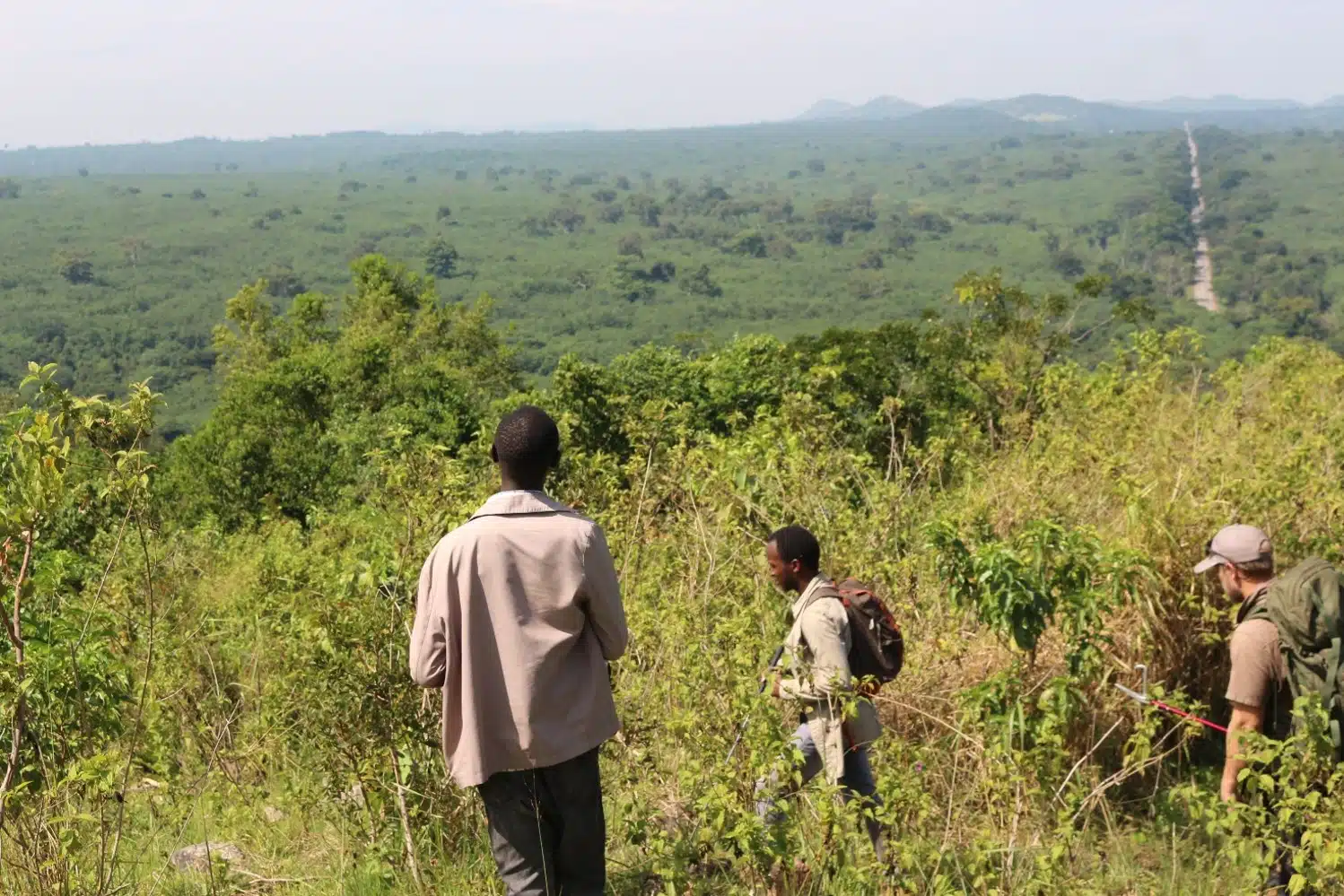
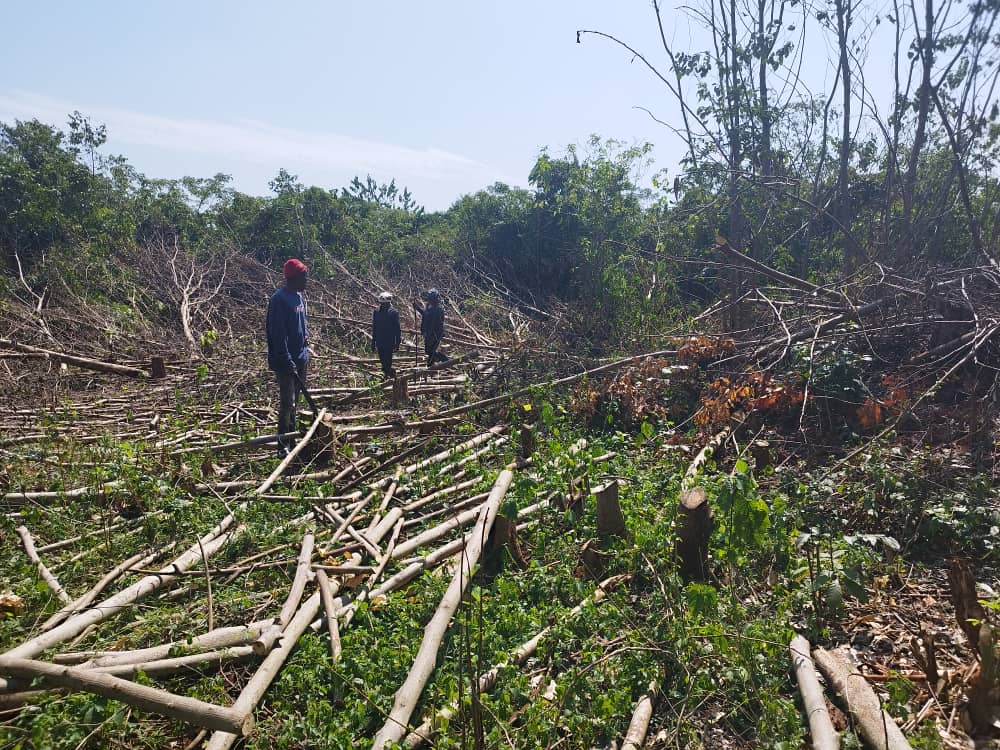
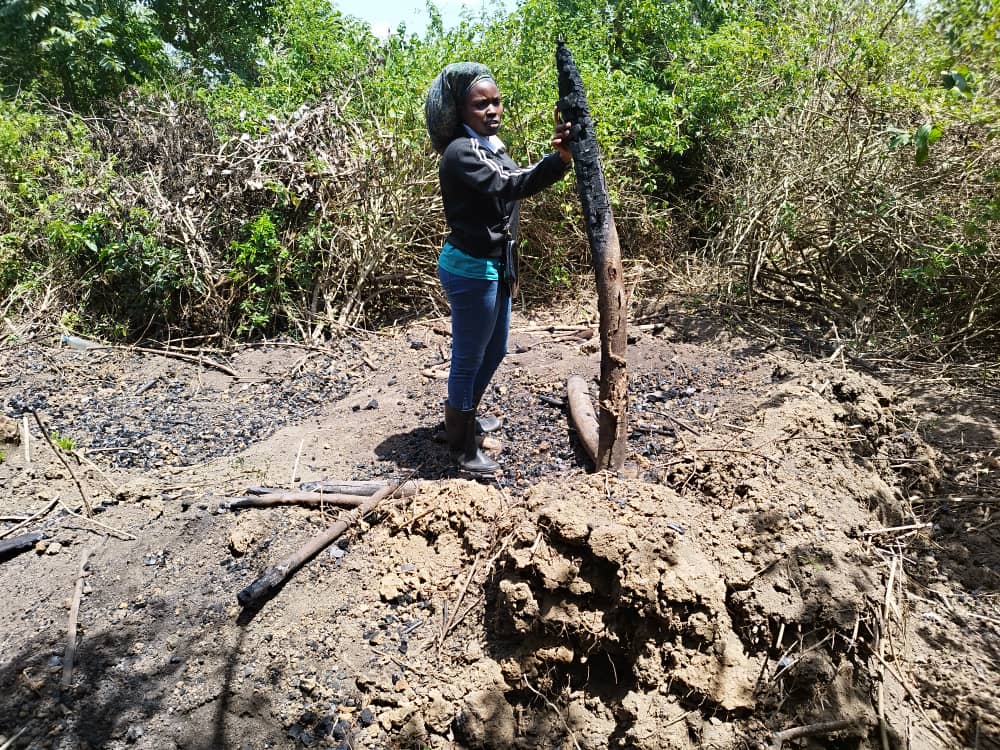
West Bugwe is one of only three natural forests remaining in Uganda’s Eastern region. Despite its designation as a Central Forest Reserve, it has continued to be degraded by encroachment and illegal activities such as charcoal burning, farming and fuel wood collection.
West Bugwe approximately covering 31 km2is home to unique birds, moths, dragonflies, six of Africa’s key tree species and two species of nationally threatened butterflies.
As forests help to lock up carbon, their degradation has major implications for climate change. Their destruction also leads to biodiversity loss and poverty for people dependent on the forests’ resources.
Threats to the forest
Like many of Uganda’s forests, West Bugwe is threatened by charcoal burning, encroachment, and pressure for farmland. What is at stake is more than the loss of trees. The forest provides habitat for wildlife, helps regulate water and soil, and supports the livelihoods of communities living around it. In response, A Rocha Uganda is working alongside local communities and conservation partners to restore degraded areas, strengthen community-led forest protection, and promote sustainable livelihood practices that reduce pressure on the forest. As pressure on the forest grows, so does the need for approaches that enable both people and nature to thrive.
How is A Rocha helping?
Forest Restoration
20 hectares reforested
Over 10,000 trees planted
Indigenous tree planting
Forest Regeneration
We are liberating 30ha of forest land from invasive species like Lantana Camara and Paper mulberry.
Ecological surveys
Butterfly Survey
A total of 202 species of butterflies were registered; 10 Papilionidae, 25 Pieridae, 28 Lycaenidae, 98 Nymphalidae, 40 Hesperiidae and one Riodinidae. A relatively high proportion (52%) of the total were forest-dependent or forest edge butterflies.
Bird Survey
A total of one hundred and nine (109) species from 37 families were recorded from the survey, 80 species were recorded from the Timed Species Counts in the degraded sections of the Forest, while 45 species were recorded from the Point Counts in the Primary Forest /Intact Forest. The team also recorded 12 species from a total count at an area of Swamp and 7 species opportunistic sightings.
Mammal Survey
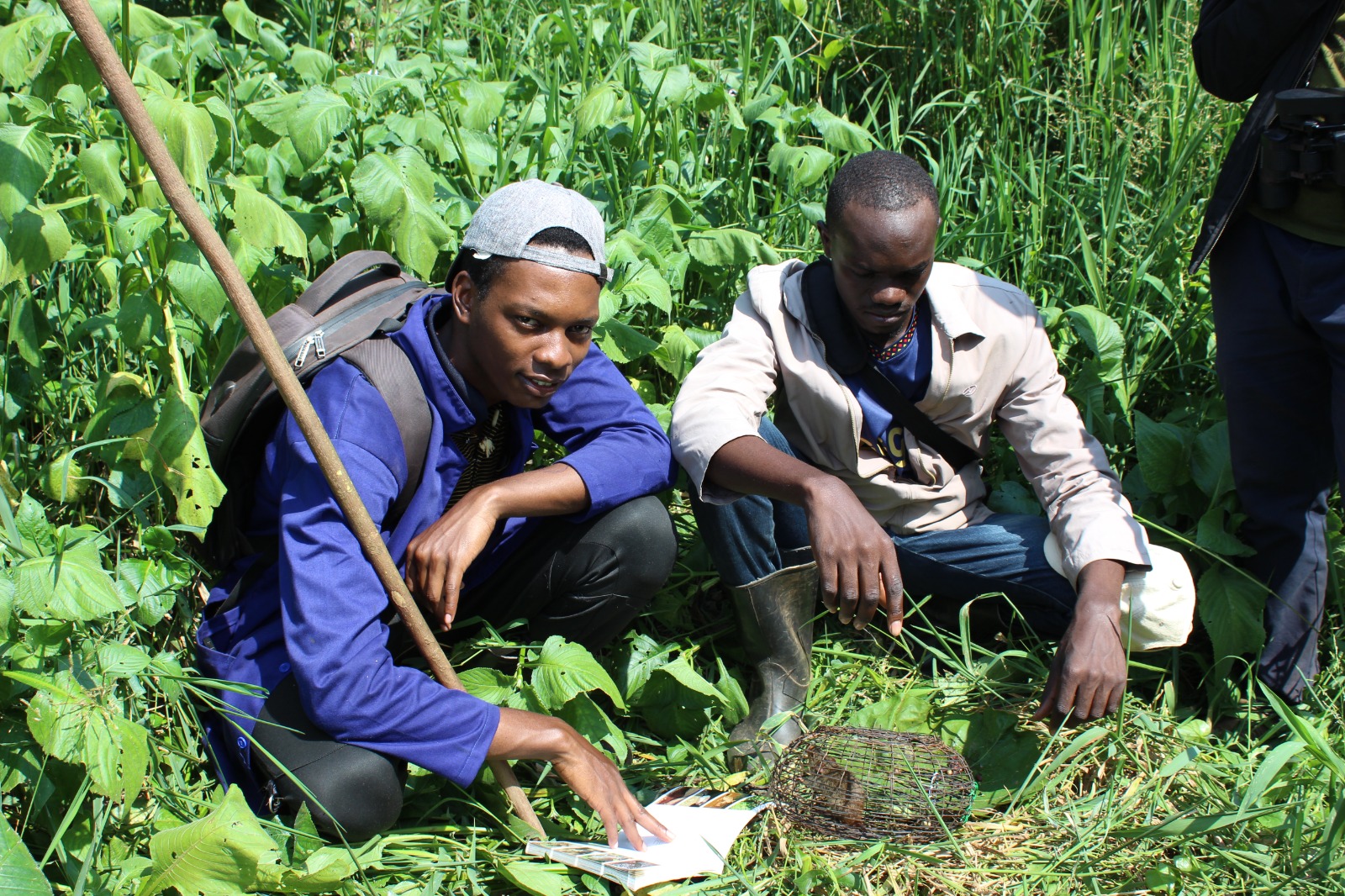
The objective of the survey was to assess the diversity and abundance of mammals in the reserve and establish a baseline for long-term monitoring. The survey employed various methods, including line transect counts, live trapping, and camera traps, to capture data on mammalian species. A total of 34 mammal species were confirmed during the survey, including notably abundant species such as the bush duiker, olive baboon, and bushbuck. Additionally, three species listed as vulnerable or endangered on the IUCN Red List were identified.
Snake Survey
This survey was conducted to assess the diversity and status of snake fauna in the West Bugwe Central Forest Reserve, Uganda.
A total of 11 snake species from four families were recorded or suspected based on habitat suitability and prey availability. Species diversity included both venomous and non-venomous snakes, such as the Eastern Forest Cobra (Naja subfulva), Black Mamba (Dendroaspis polylepis), Rock Python (Python sebae), and Puff Adder (Bitis arietans).
Two fatal human encounters with snakes were also reported, highlighting the urgent need for education on snakebite prevention and treatment.
Pollinator Survey
This survey aimed to find out the different insect pollinators in the forest; we recorded 57 species across three habitat types (savannah, liberated forest and intact forest). Abundance differed significantly among habitats (χ² = 58.84, df = 6, P < 0.05), with Lepidoptera dominating in intact forest, while Hymenoptera and Diptera were more common in open grassland. These patterns likely reflect the influence of floral resource availability, openness of the habitat, and trap visibility.
Livelihoods
Our efforts have been to empower different households and families living around West Bugwe forest with sustainable livelihood techniques such as building smokeless ovens, agroforestry, Farming God’s Way techniques and beekeeping to provide alternative fuel for home use, reduce pressure on the forest and economically strengthen them.
Bee Keeping
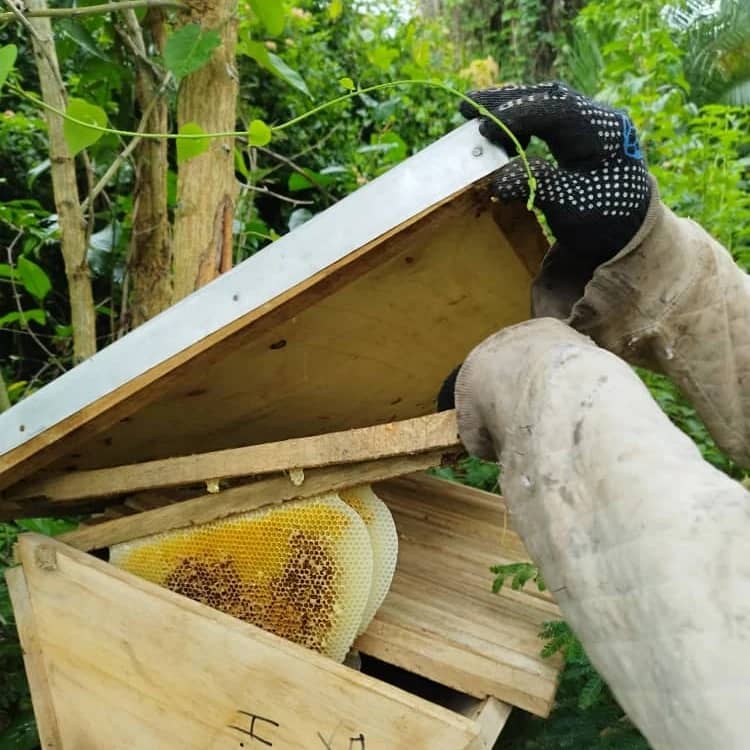
We have trained 150 households in beekeeping, and 40 beehives have been reinstated in the forest reserve. This aims to provide an alternative source of income for community members, reduce pressure on the forest, and instill a sense of stewardship for its protection and conservation. collective ownership of the forest.
Farming God's Way
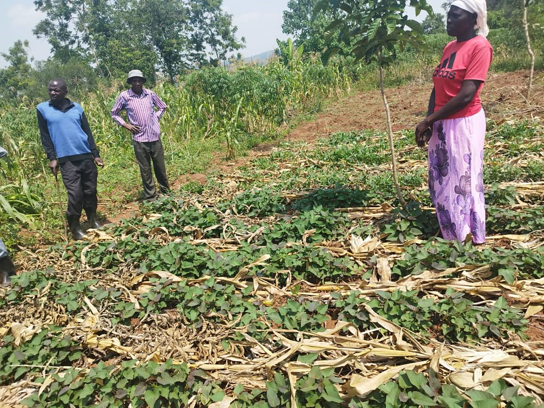
220 households, organised into 11 groups, have received training in Farming God’s Way techniques to increase their yields while preserving soil fertility and biodiversity.
Agro- Forestry
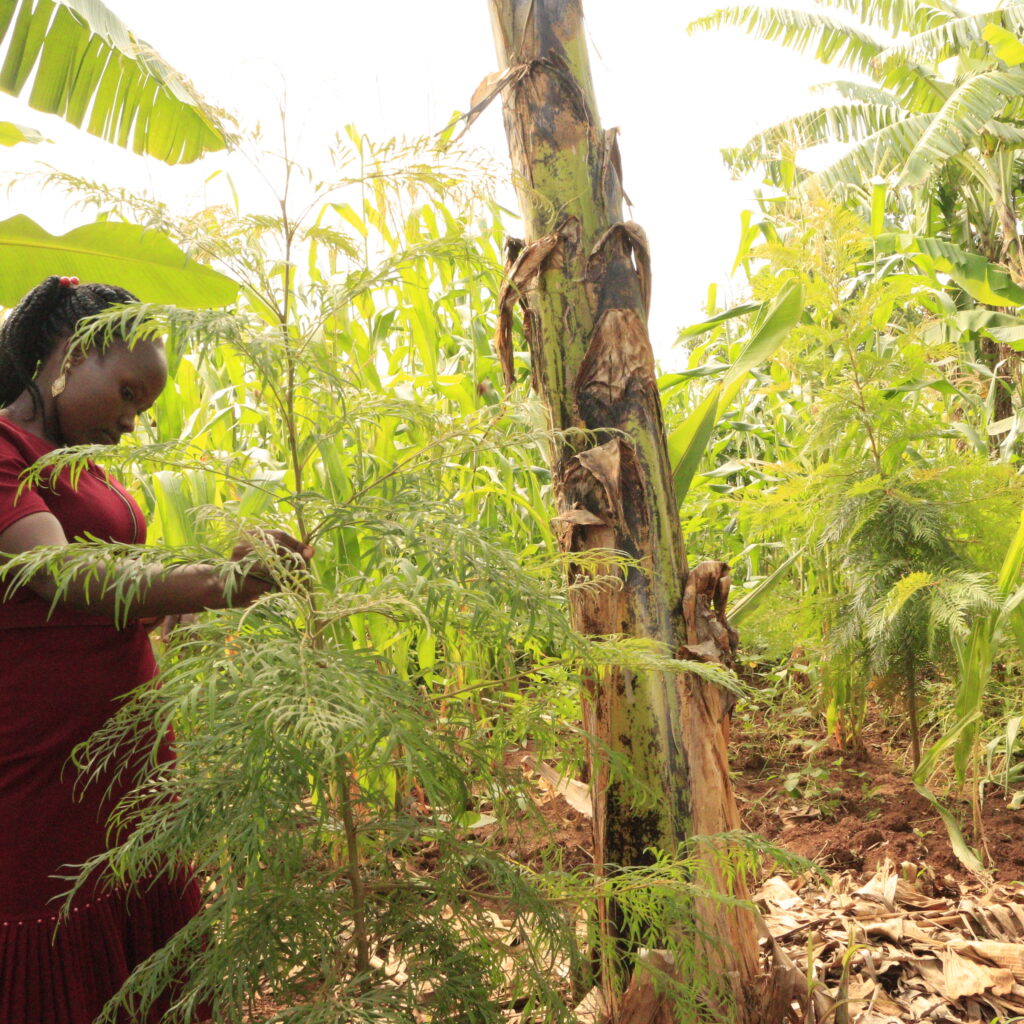
We have trained 200 HH in agroforestry and planted 5,045 trees of Grevillea robusta, Maesopsis eminii, and Calliandra calothyrsus to provide fuelwood, reduce pressure on the forest, and increase biodiversity and soil fertility.
Building smokeless stoves
Providing Lorena stoves is our way of engaging local communities in the conservation project. Communities now see tangible benefits—like reduced fuel costs and better health.
Collaborative Forest Management (CFM)
To get the community involved in forest conservation and preservation, A Rocha Uganda, together with the National Forestry Authority, has trained 298 community members, forming 7 functional committees to carry out forest patrols, become forest-conservation ambassadors and to work with the authorities to stop illegal activities in West Bugwe.